Writing the summary…
NASA-backed scientists turn plastic waste into edible cookies
Source: Science Daily
Original reporting
Science Daily: read the full reportRelated stories
NPR Health
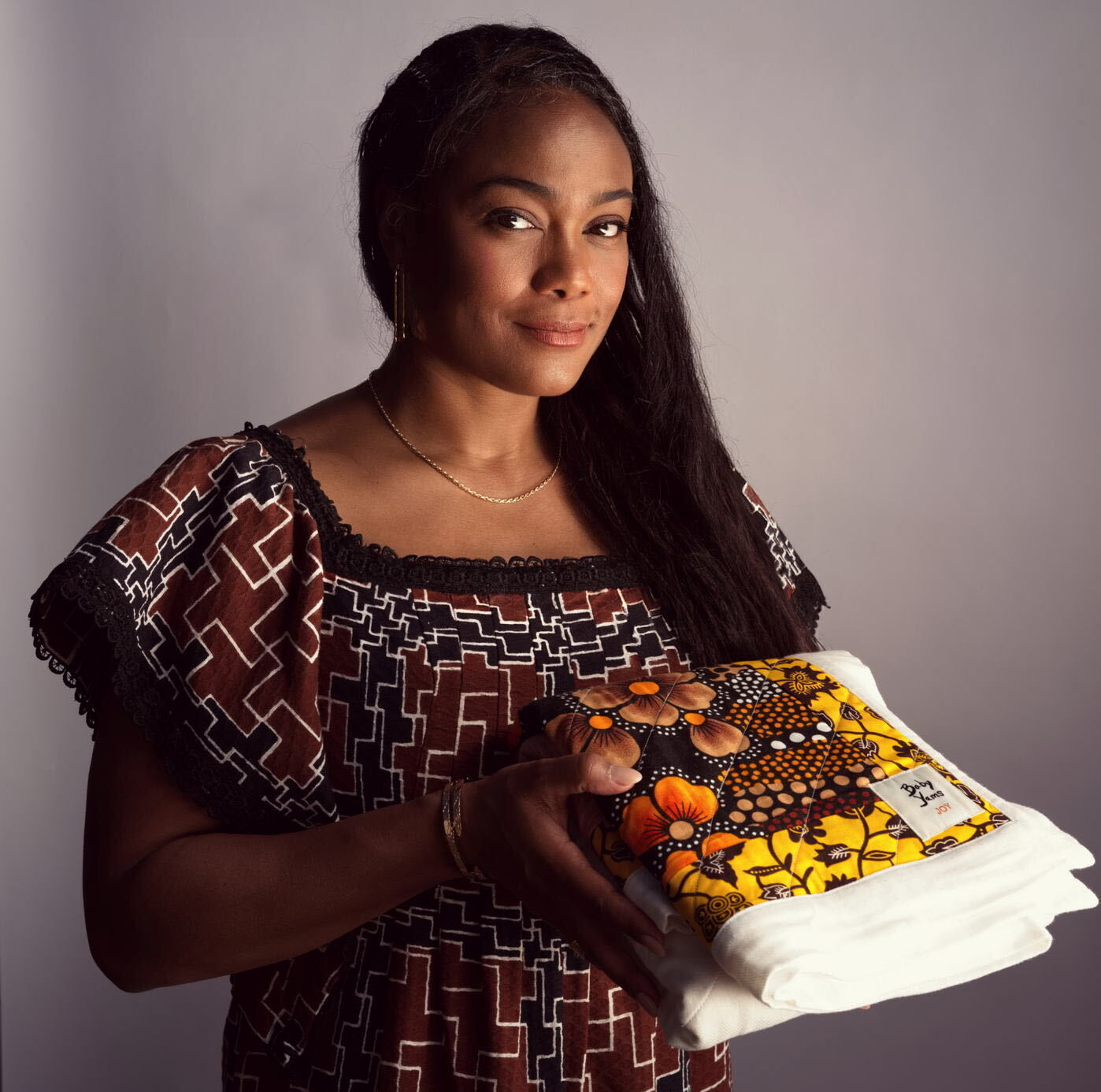
Actor Tatyana Ali is advocating for Black and Indigenous maternal health
Actor Tatyana Ali says her healing journey after a traumatic childbirth has inspired her advocacy for Black maternal health, including support for midwives, doulas and other birth workers.
Science Daily
Scientists find a new layer of Alzheimer’s hidden in the genome
Scientists found that the 3D organization of DNA is disrupted in several types of brain cells affected by Alzheimer’s disease, altering how important genes are switched on and off. The discovery reveals a previously underexplored layer of the disease that could open new paths for understanding and eventually treating Alzheimer’s.
Science Daily
Physicists can’t agree on how the Universe works
A massive worldwide survey of physicists has revealed surprisingly little agreement about some of the universe’s biggest mysteries. No majority backed the standard cosmological model, a leading explanation for dark matter, or any single theory of quantum gravity. One area of stronger agreement stood out: 68% said the Big Bang does not necessarily represent the beginning of time. Researchers say the divisions show just how alive and unsettled the frontiers of physics remain.
Science Daily
Global warming is breaking a 400-year climate link between two oceans
The Indian and Pacific oceans have been climatically linked for centuries, but scientists say that connection is now breaking down in an exceptional way. Ancient climate records suggest volcanoes disrupted the relationship in the past, while today human-caused warming appears to be driving a much more unusual shift.

NPR Health
Black women are more likely to experience pregnancy trauma and have their pain ignored
Black mothers in the U.S. are three times as likely to die from pregnancy-related causes than white women. Actress Tatyana Ali became an advocate after her own awful experience giving birth.
Science Daily
Physicists discover a hidden “curveball” in quantum light
Researchers have experimentally demonstrated the optical Magnus effect for the first time, revealing that a tightly focused laser interacts most strongly with an atom slightly away from the beam’s center. The unexpected shift is similar to the physics that makes a spinning table tennis ball curve through the air. Because lasers are used to control qubits, the effect could create errors in quantum computers, but it might also provide a new way to couple qubits together.