Writing the summary…
U.S. oil tops $106 as Saudi Arabia reportedly cancels some crude cargoes after pipeline closure
Source: CNBC
Original reporting
CNBC: read the full reportRelated stories
CNBC2 outlets
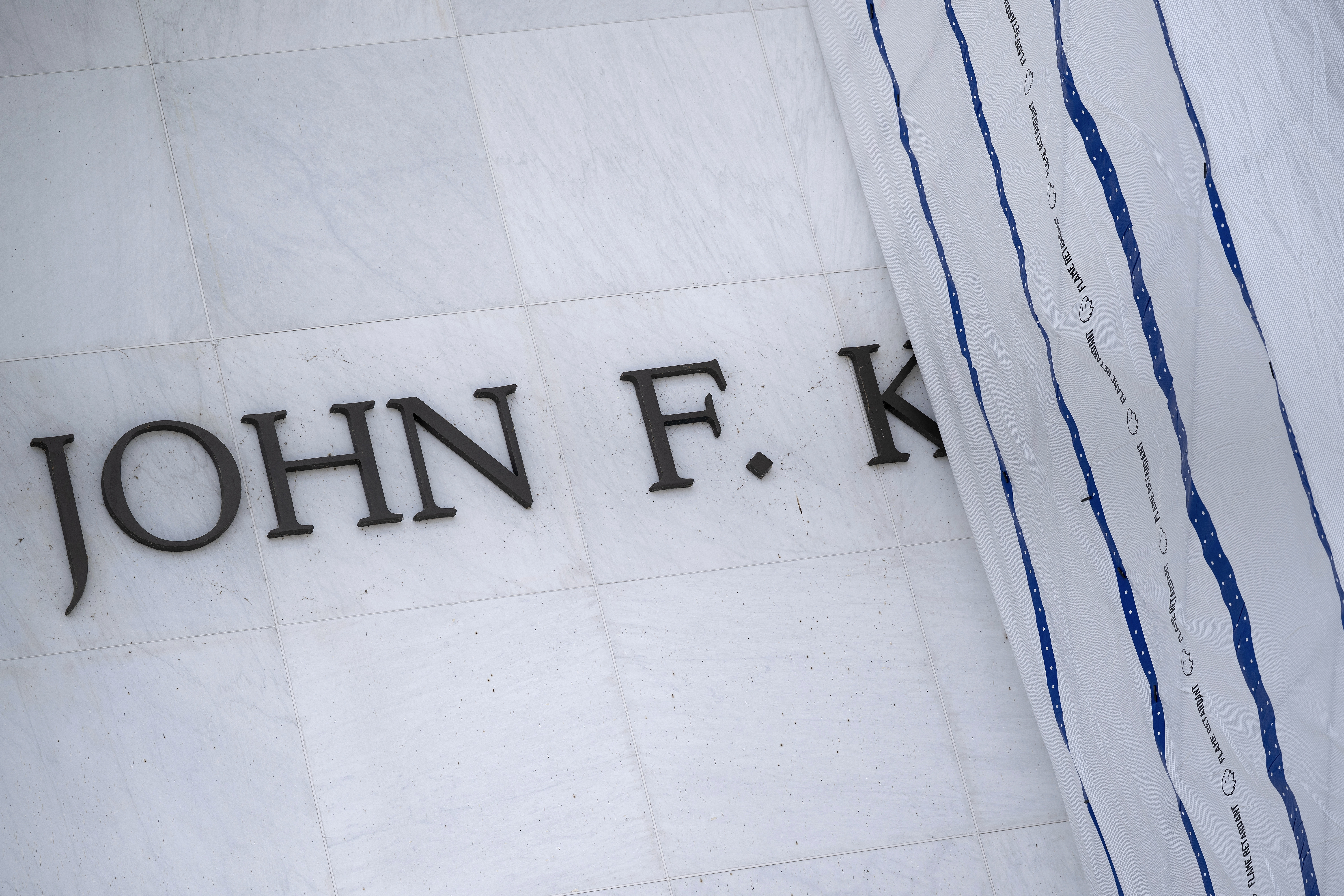
Kennedy Center board votes to close for renovations; judge blocks Trump name returning to building
The judge ruled that the arts center's board may not put Trump's name back up on the building, saying such a change needs Congressional approval.
CNBC2 outlets
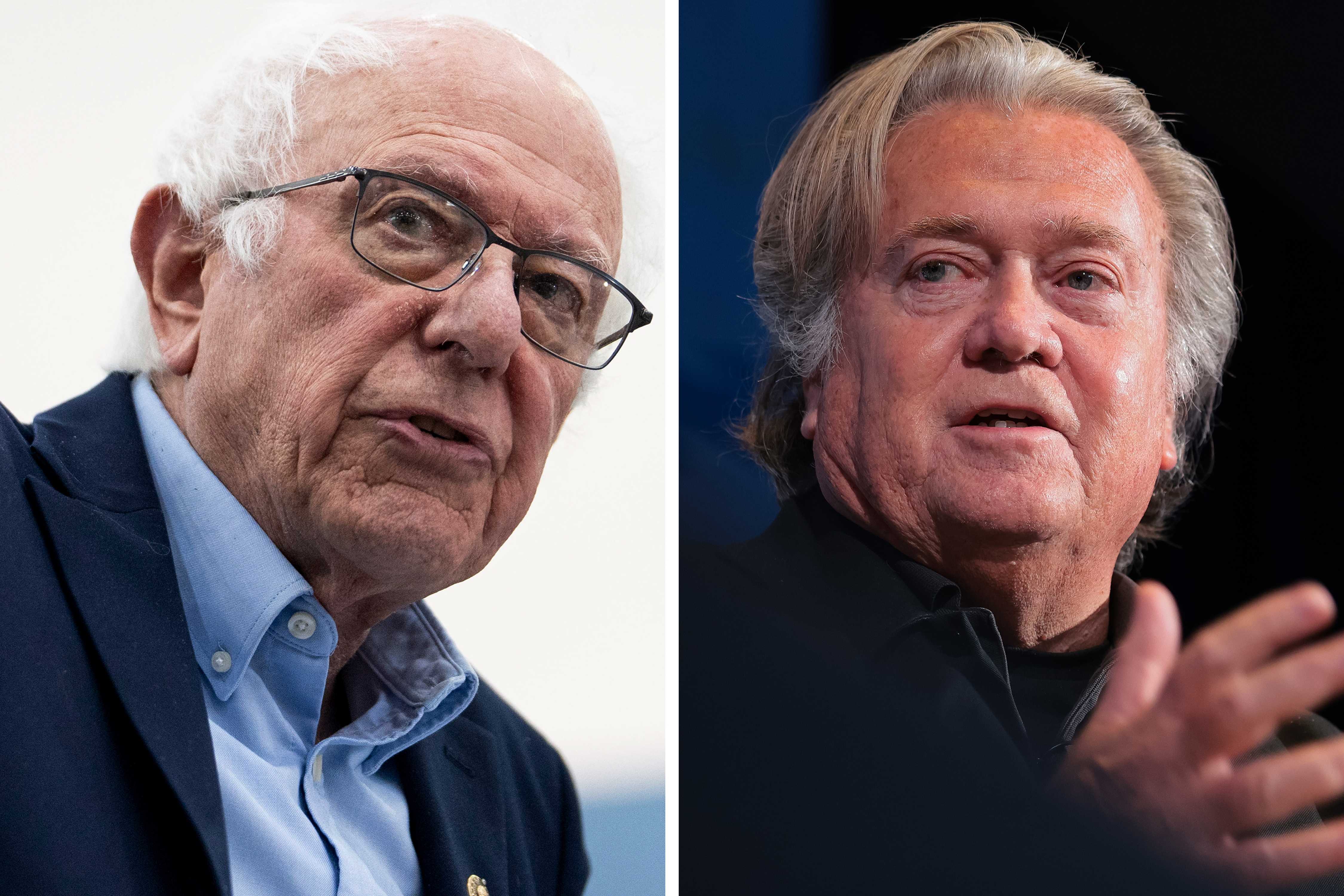
AI skeptics from Bernie Sanders to Steve Bannon urge action, as Congress, Trump idle
The rare pairing of a progressive leader and a MAGA voice is a sign of how worries over rapidly advancing AI are upending political alliances. But their policy proposals are far apart.
CNBC
Saudi pipeline closure is a brief interruption that will last days, U.S. Energy secretary tells CNBC
The Saudis closed the East-West pipeline after it sustained damage in a drone attack launched from Iraq.
CNBC
Ford increases V-8 engine availability, lowers performance prices for 2027 F-150 trucks
Ford said the changes are meant to provide customers with more choice and help expand sales of key models, a strategy CEO Jim Farley has touted.
The Guardian2 outlets
As the politicians play catchup the tech bros agree: we may only have a decade left | John Crace
US president insists that fears expressed by top experts are a hoax – and that humanity can sleep easy while he’s at the wheel We can all sleep easy. In a post on his Truth Social account, Donald Trump has declared that fears over artificial intelligence were all a hoax dreamed up by conspiracy theorists. Obviously that includes the top bods at Anthropic and its competitors, who all called for a coordinated global slowdown while the industry works out how to mitigate the risks. Still, good to know the tech bros are just fantasists and space cadets at heart. All that was needed to keep humanity safe and well, The Donald insisted, was a president with a very high IQ. Someone very like him. The only man alive who could out-think the combined power of the world’s supercomputers. He could tell them where to draw the line and they would reprogram themselves to back off. Inside every AI network
The Guardian
The Guardian view on the Bank of England’s £120bn bill: power without accountability | Editorial
Quantitative tightening has blurred the line between monetary and fiscal policy, leaving ministers accountable for decisions they cannot directly control When Labour made the Bank of England independent in 1997, the idea was that the Bank set interest rates while the Treasury taxed and spent. Monetary policy was in Threadneedle Street, fiscal policy in Whitehall. But in August the Bank of England quietly slipped out that its key policy could cost the Treasury £120bn . That policy – quantitative tightening (QT) – clearly ought to be rethought and the policy of the Treasury indemnifying the Bank for its losses ended . Last year, ministers paid the Bank £17bn to cover these arguably notional losses – an amount considerably larger than the budget of the Ministry of Justice, which is dealing with a real prisons crisis. Bank independence was constructed for a world in which monetary policy dec