The bird's arrival on a managed grouse moor in southern Scotland is seen as a key moment for the species.
What makes this golden eagle chick so important?
Source: BBC Science

Original reporting
BBC Science: read the full reportRelated stories
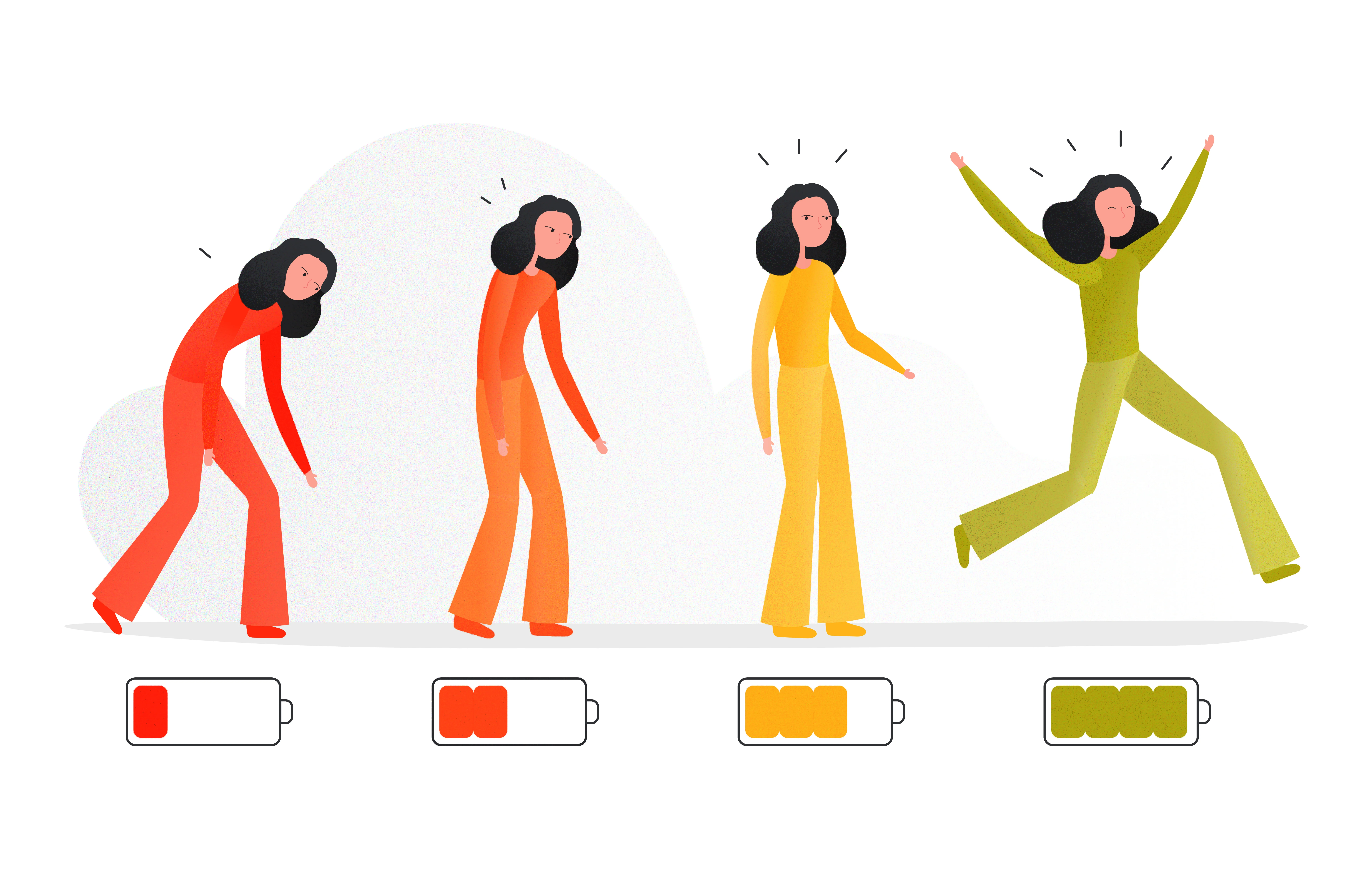
NPR Health
Lost your spark? The "silent sister" of depression, and a quiz to spot her
Always busy, but rarely joyful? Allison Aubrey and Juana Summers discuss a tool to spot "high functioning depression."

BBC Science
Firefighters celebrate rain during Indonesia wildfires
A number of clips show firefighters celebrating in the rain.
Science Daily
A single brain signal may explain schizophrenia's most puzzling symptoms
Scientists have identified a weakened brain signal that may connect several seemingly unrelated symptoms of schizophrenia, including sensory processing difficulties, disorganized speech, and greater symptom severity. The surprising discovery could help explain the disorder's underlying mechanisms and potentially lead to earlier detection and new treatments.
Science Daily
Six popular sugar substitutes linked to faster brain aging
A study of nearly 13,000 adults found that people consuming the most artificial sweeteners experienced a 62% faster decline in memory and thinking skills, equivalent to approximately 1.6 additional years of brain aging. Six popular sweeteners were linked to faster cognitive decline, raising concerns about the long-term brain health effects of common sugar substitutes, although causation was not established.

BBC Science
South West Water given lowest environmental rating
The water firm is performing "significantly below target" for pollution, the Environment Agency says.
Science Daily
A 700,000-year-old elephant tooth reveals a lost world where early humans lived
A remarkably preserved elephant tooth dating back nearly 700,000 years has revealed a surprisingly lush prehistoric world where giant elephants and early humans lived side by side. Discovered in northern Israel alongside ancient stone tools, the tooth belonged to a straight-tusked elephant, one of the largest land mammals of the Ice Age.