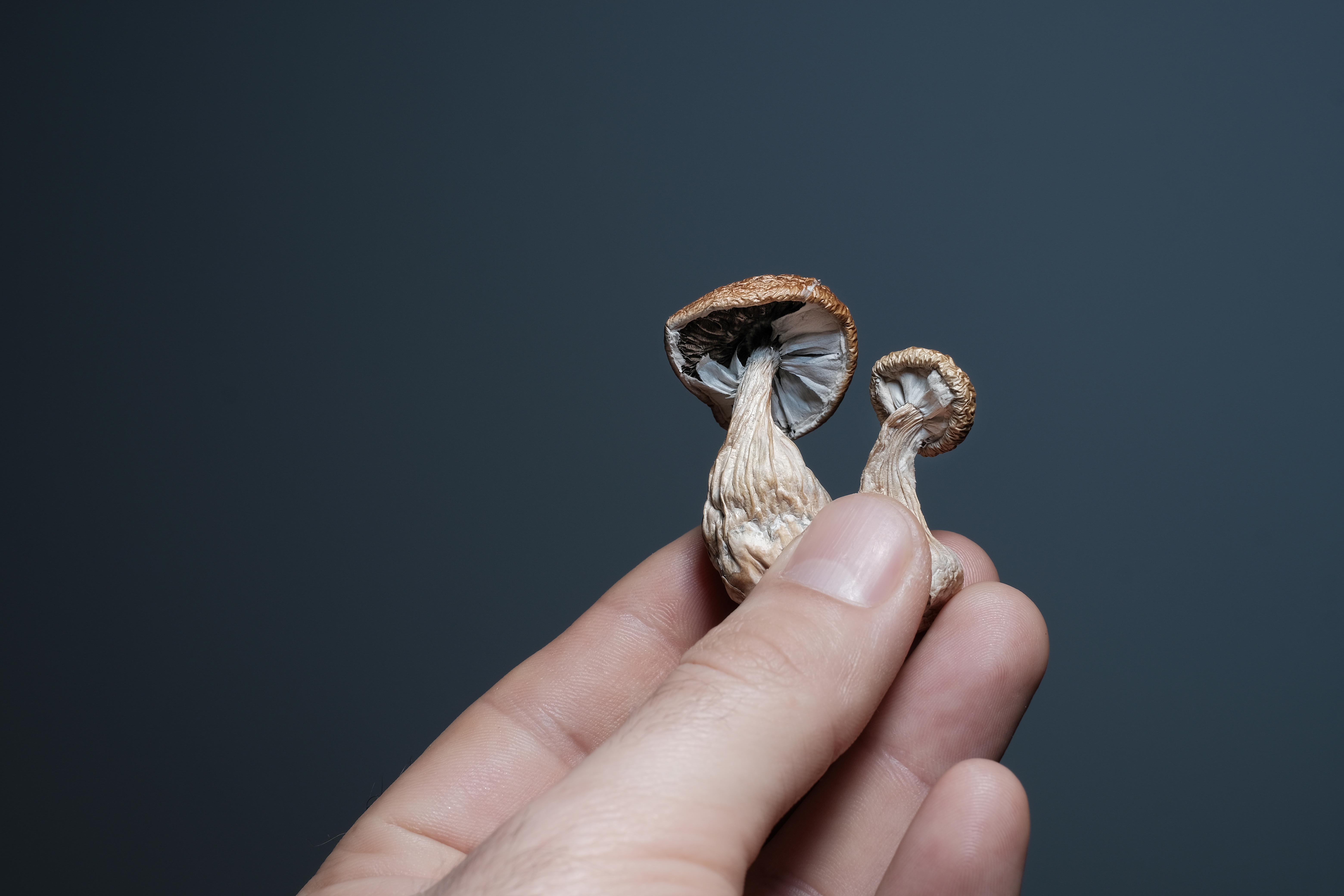
Lab studies have shown that psychedelics like psilocybin can lower inflammation and may be protective for a range of illnesses. Now, researchers are publishing some of the first data in humans that signals this holds potential for patients with neurodegenerative diseases like Parkinson's disease.
New human data hints at psychedelics' potential to combat inflammation
Source: NPR Health
Original reporting
NPR Health: read the full reportRelated stories

BBC Science
Can a giant tunnel save Lake Windermere?
A £3.6bn proposal to stop sewage being discharged into Windermere, England's largest lake, has been unveiled.

BBC Science3 outlets
Will Jackdaw cut your energy bills?
BBC Verify's Ben Chu explains why energy prices are so high, and what Jackdaw could mean for your bills.

BBC Science
Orionid meteor shower to peak in UK skies into Thursday
Clear skies permitting, skygazers could be able to spot as many as 10-20 meteors per hour as the shower peaks this week.

BBC Science2 outlets
Burnham defends Jackdaw decision as Badenoch urges PM to overturn ban on new oil and gas licences
The UK government says the field, which is opposed by environmental campaigners, could be producing gas by the end of this month.

BBC Science2 outlets
How Jackdaw ignites row over climate and costs
How Jackdaw ignites arguments over climate and costs
Science Daily
Too much RNA can starve cells of energy, scientists discover
Scientists have uncovered an unexpected danger lurking inside cells: too much RNA can damage the structures responsible for producing energy. A new study found that excess RNA, including the normally essential messenger RNA (mRNA), can directly disrupt mitochondria without relying on the immune system. The discovery could help explain how viral infections and certain aging-related diseases damage cells.