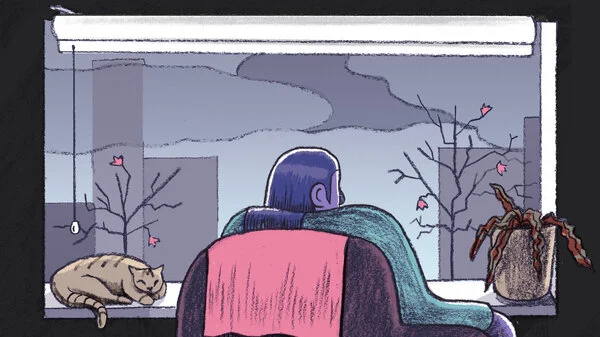
The syndrome can make people feel like a "hibernating bear," says Dr. Norman Rosenthal, who published the first research on SAD. He explains how to identify the symptoms and what to do to feel better.
Do you have seasonal affective disorder? How to tell — and what to do about it
Source: NPR Health
Original reporting
NPR Health: read the full reportRelated stories

BBC Science
Rewilding project aims to restore peatland
Cumbria Wildlife Trust starts work repairing damage to Skiddaw Forest's peatland.

BBC Science
UK could see 10 days without rain after 'wettest week in two years'
With high pressure developing across the UK, the start of November is looking very settled with no significant rain in the forecast.

BBC Science
Attenborough-backed appeal secures £30m estate
The purchase of the vast Rothbury Estate by wildlife groups is hailed as "something very special".

BBC Science
Fears for mature Scots Pines burned by huge Highland wildfire
Experts say some older Scot pine damaged by fire could die removing an important source of seeds
Science Daily
Physicists created a tiny universe and watched time emerge without a clock
Scientists have created a miniature universe in the laboratory that could help answer one of the biggest mysteries in physics: What is time, and where does it come from? Using 24,000 ultracold atoms, a University of Birmingham researcher built an isolated quantum system that repeatedly expands and contracts, mimicking the Big Bang and a possible Big Crunch. Remarkably, the experiment showed that time could emerge from changes happening inside the system, without relying on an external clock.
Science Daily
The asteroid killed the dinosaurs. Why did crocodiles survive?
Scientists may have solved a 66-million-year-old mystery: how crocodiles survived the asteroid that wiped out the dinosaurs. A sweeping analysis of fossils and ancient climates suggests that their preference for warm environments placed them in tropical refuges that remained habitable even after the catastrophic impact.