Writing the summary…
Cancer-fighting t cells burn out. Scientists may have found a fix
Source: Science Daily
Original reporting
Science Daily: read the full reportFollow this story
Earlier reports and follow-ups on the same developing story.
Related stories
Science Daily
Vagus Nerve Stimulation Could Help New Skills Stick
Stimulating the vagus nerve after practice helped mice develop stronger long-term motor learning, revealing a potentially important window when the brain is still locking in a new skill. The effect was linked to rhythmic changes in brain blood vessels, hinting that body-to-brain signals may help prepare the brain for lasting change.
Science Daily
Don't miss: Watch Saturn shine and Halley’s Comet debris streak across the sky
October skywatchers can see Saturn at opposition, catch meteors from Halley’s Comet during the Orionid peak, and watch the Moon sweep past the famous Pleiades star cluster. Moonlight may obscure some Orionids, but the best viewing should come before dawn after the Moon sets.
Science Daily
Scientists discover a human brain gene that can jump through DNA
Scientists have discovered a human gene with a remarkable double life: it appears to play an important role in brain cells while still retaining the ability to jump around the genome. Called BC200, the gene evolved millions of years ago from a mobile piece of DNA known as a transposon, but unlike most genes that arose this way, it never lost its mobility. Researchers even found BC200 embedded inside a human poxvirus, suggesting it may have jumped from infected skin cells into the virus.
NPR Health
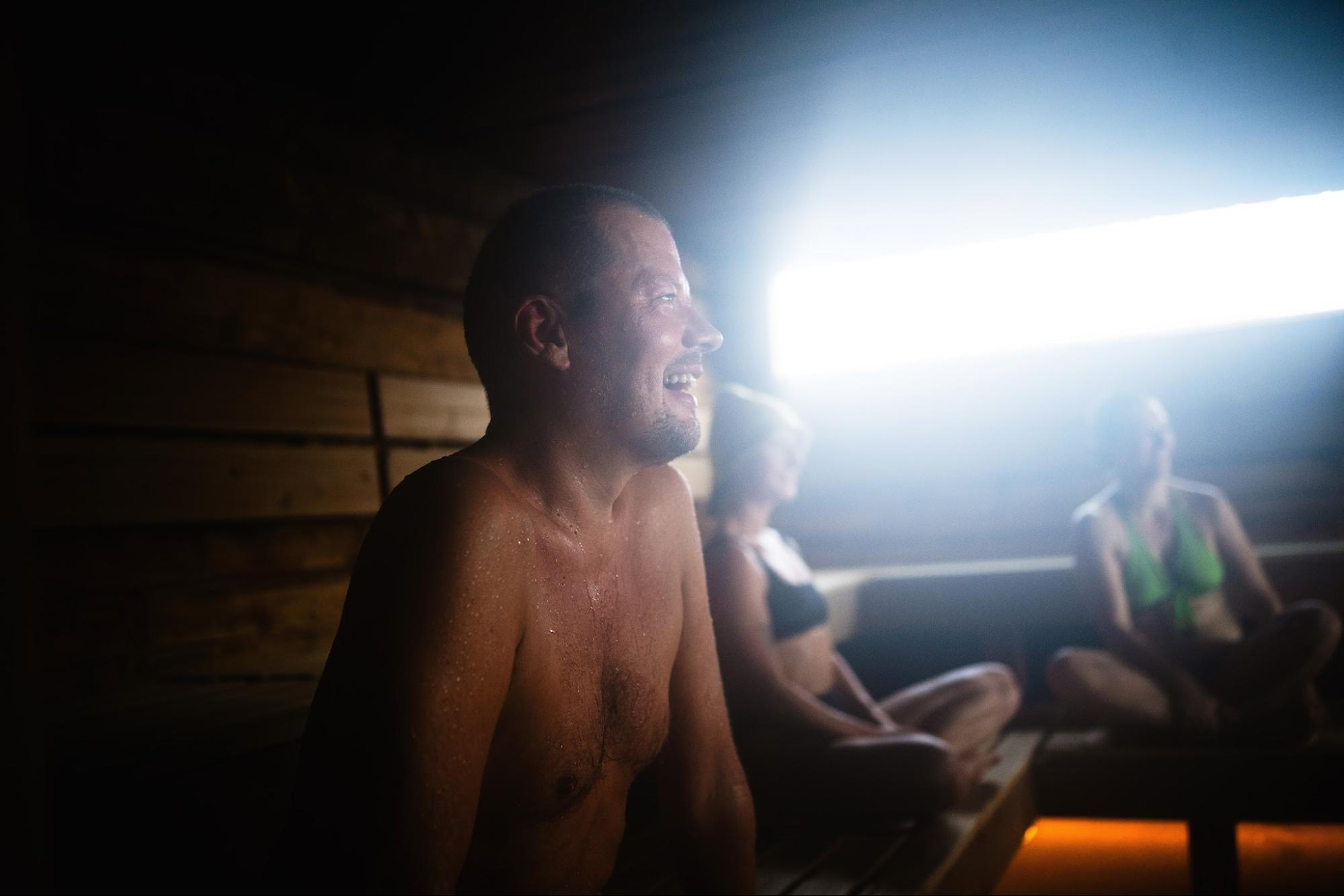
From floating saunas to clinical trials: How heat might help mental health
While scientists have a decent understanding of how sauna and other forms of heat exposure exercises our cardiovascular system, they know relatively little about its impact on mental health.

NPR Health
Republicans and Democrats find a unifying target: Pharmacy benefit managers
Republicans and Democrats, both patients and politicians, seem united in their disdain for the healthcare companies known as pharmacy benefit managers. Tennessee and Arkansas are regulating them now.

NPR Health
From floating saunas to clinical trials: How heat might help mental health
Many people are turning to sauna because of its benefits for their mental health. While scientists have a decent understanding of how sauna — and other forms of heat exposure — exercises our cardiovascular system, they know relatively little about its impact on depression, anxiety and mood. But more studies are being done to understand this connection and why heat appears to act as a powerful antidepressant. NPR's Will Stone visits a "floating sauna village" in Oslo where a husband-wife team are conducting one of the first trials on the link between sauna and mental health — and talks to one of the leading researchers in the U.S about her efforts to study this. Morning Edition consumer health segment for October 5