Writing the summary…
A 9-billion-year-old signal could help explain dark energy
Source: Science Daily
Original reporting
Science Daily: read the full reportRelated stories

BBC Science
Hurricane Isaias strengthens to a major category three storm
El Niño has led to a quiet season so far but the first Atlantic hurricane of the year is set to make landfall later on Friday into Saturday across the US Gulf Coast.
Science Daily
Scientists find hidden materials that could improve batteries and solar fuels
Scientists have uncovered a hidden world of “in-between” materials that briefly form as chemical ingredients are heated, revealing structures that conventional methods can miss. Among the discoveries is a previously unknown form of bismuth vanadate, a material widely studied for using sunlight to help produce clean hydrogen. The new version has a different atomic structure and interacts with light in a strikingly different way, potentially opening new possibilities for solar fuels, catalysts, and electronics.
Science Daily
Bacteria turn a virus’ own weapon against it
Researchers have uncovered a new way bacteria detect viral attacks: a virus-produced enzyme cuts a bacterial sensor protein, triggering a self-destructing immune response. The discovery could lead to more effective phage therapies against antibiotic-resistant bacteria and provide insight into ancient immune mechanisms shared with humans.
NPR Health
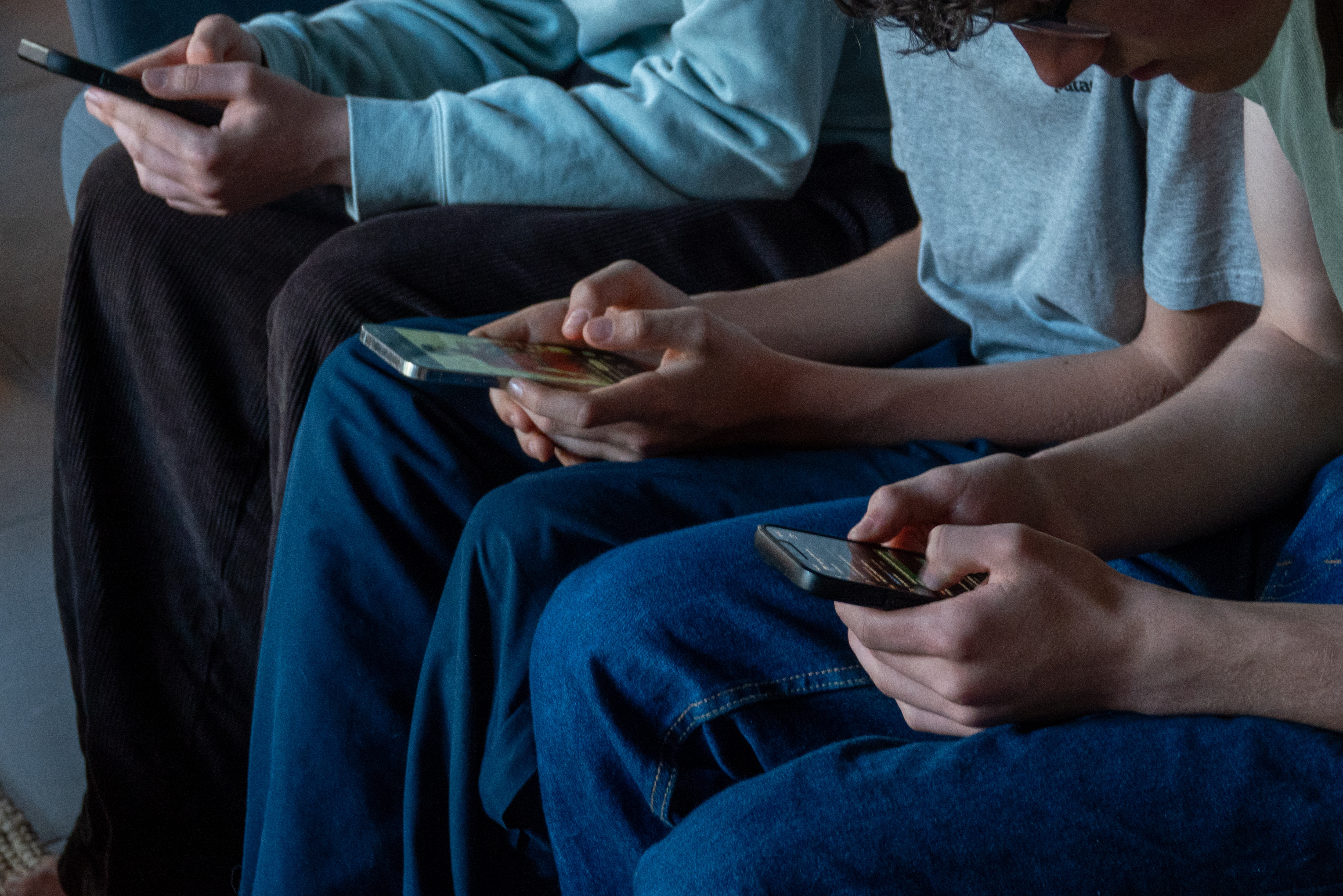
ChatGPT for Teens has special safeguards. A watchdog group finds most don't work
A study from Common Sense Media says most safeguards in ChatGPT for Teens failed. The chatbot talks to teens like a friend and doesn't alert parents when users talk about self-harm and suicide.

NPR Health
Why we remember: One student's journey into memory
Why one teen can't let go of the time he ate fries with his great-grandpa.
NPR Health
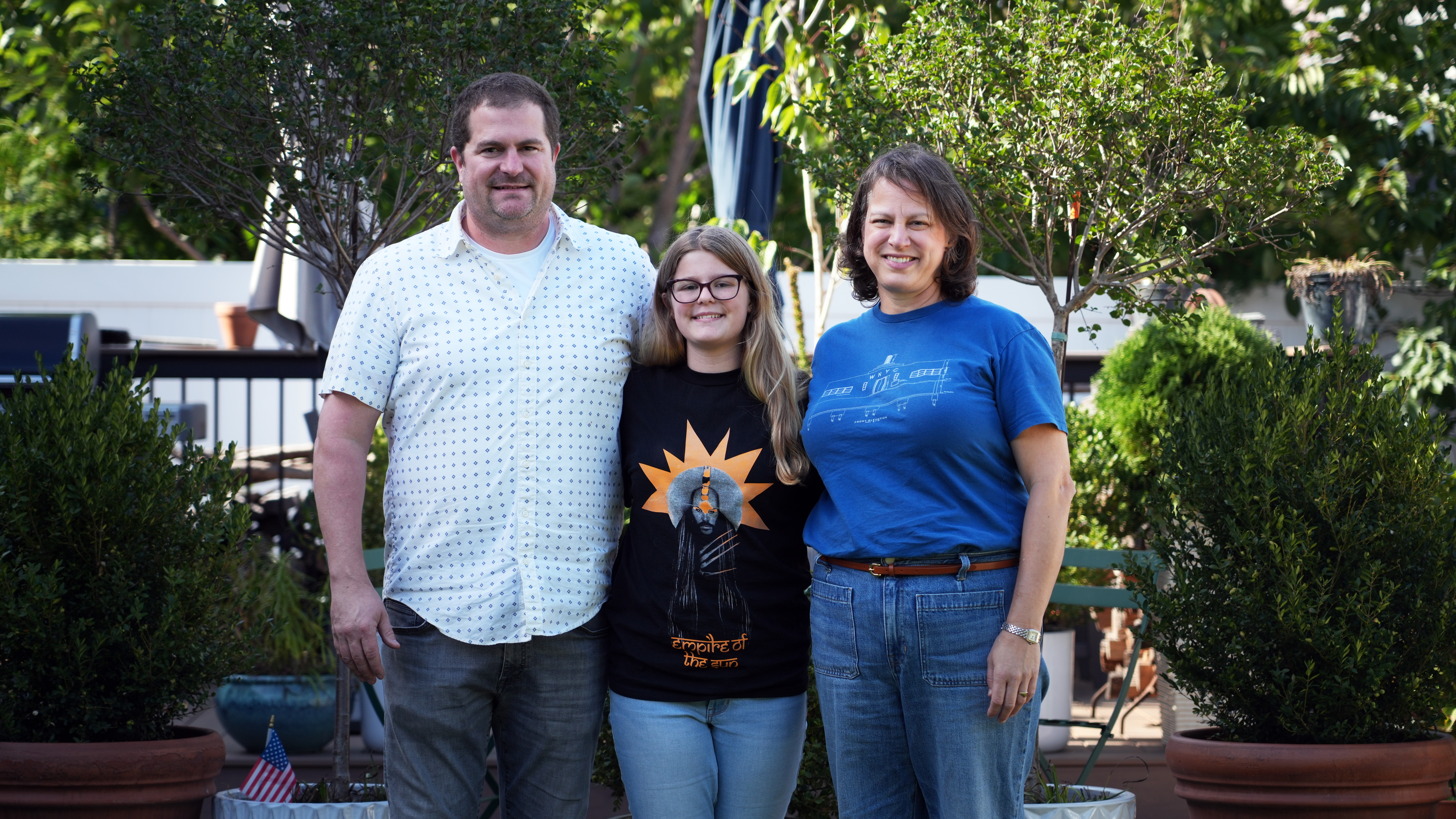
A student hated reading for years. Her podcast explores finding the right diagnosis
Middle schooler Cora Walsh of Long Island, N.Y., has won the 2026 NPR Student Podcast Challenge with a story about her journey with dyslexia.