Writing the summary…
Scientists discover a hidden factor that can make or break chemical reactions
Source: Science Daily
Original reporting
Science Daily: read the full reportFollow this story
Earlier reports and follow-ups on the same developing story.
Related stories
NPR Health
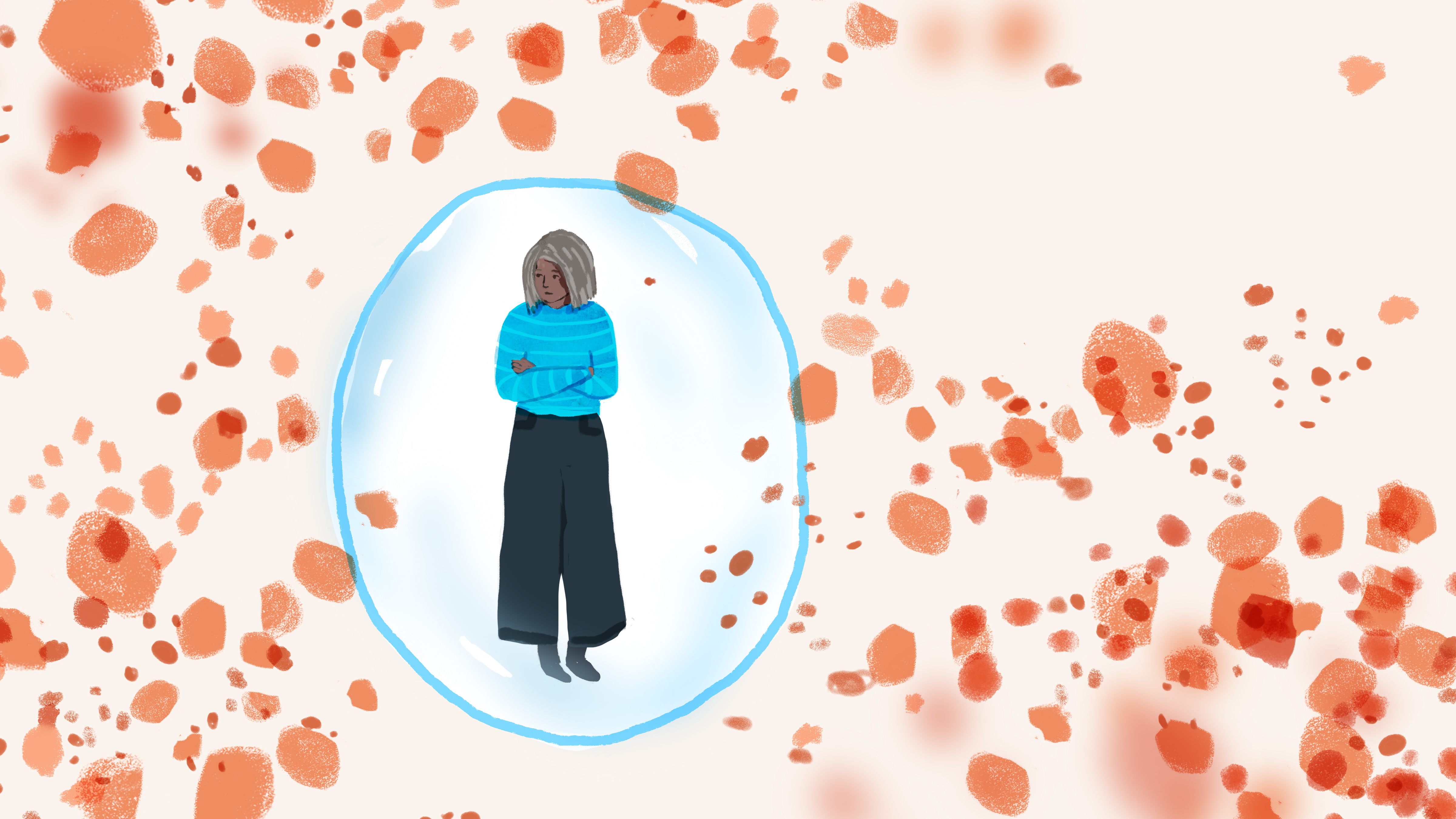
Here's what to know if you're unsure about your measles immunity status
Vaccination is the best way to protect yourself against measles. For most adults, one shot of the MMR is considered enough protection. But there are certain situations that call for a second dose.

NPR Health
Do adults need another measles shot?
Vaccination is the best way to protect yourself against measles, one of the most contagious diseases known. For most adults, one shot of the MMR is considered enough protection. But there are certain situations that call for getting a second dose.

BBC Science3 outlets
'Prepare for the unthinkable' warning over autumn flooding
Those living in flood-hit areas say they are worried, and have started preparing.
Science Daily
Just 10 minutes of daily exercise could unlock deeper sleep
Getting better sleep might be as simple as moving a little more every day. Researchers at The University of Texas at Austin found that people who exercised more frequently experienced more deep, restorative sleep, which is essential for brain recovery, memory, and emotional well-being. Surprisingly, just 10 minutes of moderate to vigorous exercise per day was associated with measurable benefits, while even light activities like walking and standing breaks were linked to better sleep and mood.
Science Daily
Scientists discover why a 100-year-old mushroom disease won't go away
Scientists have uncovered a surprising secret behind a mushroom disease that has frustrated growers for more than a century: It involves more than 17 species of harmful bacteria, not just one. The discovery could explain why treatments have struggled to stop the disease and open the door to more effective, eco-friendly solutions.
Science Daily
The hidden math of Alzheimer's could point to new treatments
Mathematics may hold unexpected clues to understanding Alzheimer’s disease. Scientists have developed a model showing how common metals like copper and zinc may influence the buildup of proteins associated with the disease, while also exploring possible ways to stop the process. The findings could help researchers identify promising strategies for preventing harmful plaque formation.