Scientists cannot agree on what science actually is, and a new study finds their views are surprisingly more divided than those of the general public. The findings could help explain public frustration with scientific uncertainty and raise questions about how artificial intelligence might reshape future discoveries.
Even scientists can't agree on what science actually is
Source: Science Daily
Original reporting
Science Daily: read the full reportFollow this story
Earlier reports and follow-ups on the same developing story.
Related stories
NPR Health
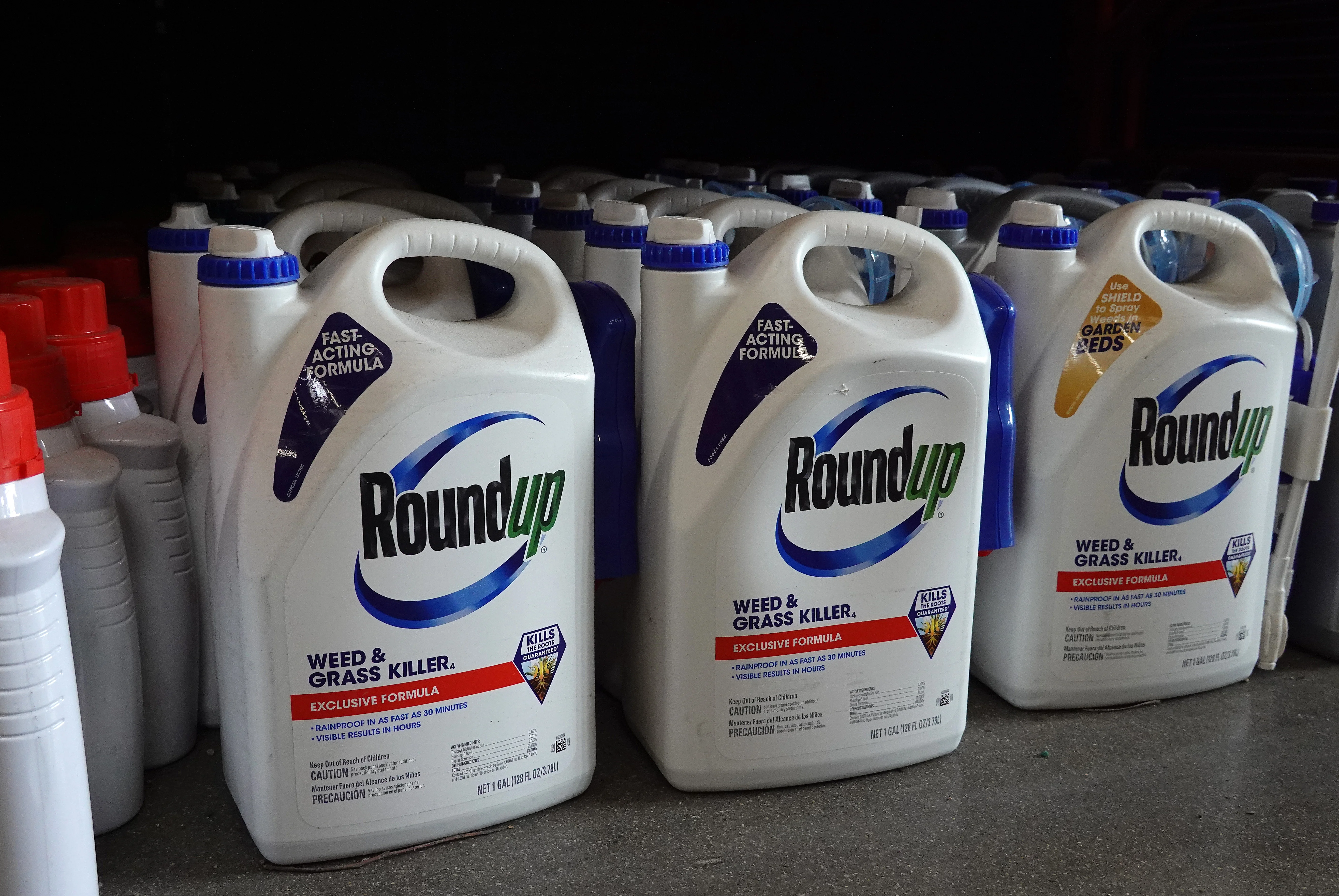
Bayer reaches Roundup settlement that could cost the company billions
The money will go to thousands of people who have been or will be diagnosed with non-Hodgkin lymphoma – a blood cancer linked to the herbicide.

BBC Science
Hormuz swim highlights environmental cost of war
Ocean campaigner Lewis Pugh completes Hormuz challenge and warns of lasting environmental damage.
Science Daily
Time may be far stranger than we realize. Scientists have a way to test it
Time may be far stranger than we realize, and scientists have proposed a way to detect clocks experiencing multiple flows of time simultaneously. Using atomic clocks with dramatically enhanced sensitivity, researchers hope to reveal a never-before-observed quantum effect that could transform our understanding of time and gravity.
Science Daily
A giant star swallowed another star. James Webb reveals the aftermath
Astronomers have witnessed a spectacular cosmic collision in the Andromeda galaxy, where a small star spiraled into a giant star 18,000 times brighter than the Sun, triggering a violent eruption. NASA’s James Webb Space Telescope captured the aftermath just 47 days later, revealing new details about how two stars can merge into one.
Science Daily
Who was buried in Westminster Abbey's Roman coffin? A 150-year mystery may be solved
A mysterious skeleton discovered in a Roman sarcophagus at Westminster Abbey may finally be identified after more than 150 years. New dating evidence suggests the remains belonged to a high-ranking medieval abbot who was buried inside a centuries-old recycled Roman coffin.
Science Daily
A 50-year-old theory about evolution may have been wrong all along
A decades-old theory suggesting that evolution protects its most important genes from mutations has been dealt a major blow. An extensive new analysis of mutations in bacteria and yeast found no evidence that essential genes mutate less frequently than other genes. Researchers say earlier studies may have been misled by harmful mutations that disappeared through natural selection before scientists could detect them.