I’ve been banging the drum about these vulnerabilities for years. It will take more than a handful of exhausted developers to keep us safe Parts of the internet are going dark. In the Netherlands, government websites, including its digital ID login service, have become unavailable. Finland has taken public services offline, and Wikimedia, the organisation behind Wikipedia, has switched off some of its systems too. This sounds like the results of a cyber-attack. In most instances, however, the people running the sites deliberately switched them off because the alternative – keeping them online – was too risky. The future is here, and suddenly much of our digital infrastructure is looking very fragile. Chris Stokel-Walker is the author of TikTok Boom: The Inside Story of the World’s Favourite App Continue reading...
The internet has broken – again. Shouldn’t the tech firms that make billions from it pay to fix it? | Chris Stokel-Walker

Original reporting
The Guardian: read the full reportRelated stories
Virginia state Sen. L. Louise Lucas, a Trump critic, charged in marijuana racketeering case
The investigation into the Democrat predates the current Trump administration. But the timing of the indictment before the midterms has raised eyebrows.
We're dipping back into the AI trade with our first data center buy in weeks
The stock is also getting an upgrade, with the expectation of a bounce ahead.
Elon Musk reportedly invests about $1 billion in Skydance
David Ellison's father, billionaire and Oracle co-founder Larry Ellison, has a history with Musk.
Bill Ackman says 2027 will be an amazing year for stocks as wars, inflation ease
"We're going to have an amazing 2027," he said.
FIFA launches tender of 2030 men's World Cup U.S. media rights, plans to choose winner by end of year
FIFA is formally auctioning its U.S. media rights and wants bids by Nov. 19.
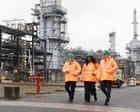
We will make the net-zero transition work for Britain – approving the Jackdaw gasfield is part of the plan | Andy Burnham
Protecting jobs and strengthening energy security in the short term does not mean wavering on Labour’s deep commitment to a cleaner, greener future On Wednesday, the energy secretary, Miatta Fahnbulleh, gave the go-ahead for gas production to begin at the Jackdaw gasfield in the North Sea. This has been the subject of fierce debate for many years, with strong views on both sides. I want to explain what the decision means and how it fits with Britain’s climate commitments. At a time of acute global instability, it makes sense to responsibly use our resources here at home. Gas from this field will begin heating our homes and powering our businesses this winter. In the longer term, it will significantly strengthen our energy security by increasing domestic gas production by about 6% and support the UK’s energy supply for more than a decade. Wednesday’s decision will also protect hundreds of