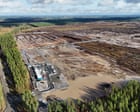
Order on two construction sites comes after Google failed to carry out environmental impact assessments Google has been ordered to temporarily stop work on two datacentres in Finland after failing to do the necessary environmental impact assessments on its construction sites. The planned datacentres in Muhos and Kajanni are part of a €13bn (£11bn) project across multiple sites in northern Finland by the technology company amid huge demand for space to house online infrastructure. Continue reading...
Google told to halt work on datacentres in Finland over environmental concerns
Source: The Guardian
Original reporting
The Guardian: read the full reportFollow this story
Earlier reports and follow-ups on the same developing story.
Related stories
CNBC
Binance says 90% of $6.3 billion hack losses are now covered, plans to resume withdrawals Sunday
Binance says it has restored backing for 90% of assets affected by its $6.3 billion hack and is planning to resume withdrawals, subject to security checks.
CNBC
Trump defamation suit against Murdoch, WSJ over Epstein letter dismissed with prejudice
By dismissing the suit with prejudice, Trump can't file another amended version in district court. Trump's legal team said the president plans to appeal.
CNBC
SpaceX loses bid to toss NAACP lawsuit over Memphis data center air pollution
The Colossus data centers and a power plant that SpaceXAI is also building in Southaven, Mississippi, have faced community backlash for years.
CNBC
OpenAI pares fundraising goal, now seeking up to $20 billion in latest round
The funding round is still in progress and has not closed, so the figures are subject to change, a person directly familiar with the deal told CNBC.

CNBC2 outlets
Binance, crypto and hacks: What to know about keeping coin safe as cyber criminals advance
The Binance hack of $6.3 billion, the largest crypto theft ever, is a wake-up call for investors to understand how coin is guarded and the risk of losing it.

The Guardian
A-listers and AI stylists: how high-street brands are staging a fashion comeback
Gap, M S, Topshop and more are taking a leaf from luxury label playbooks to satisfy savvier generation of shoppers High street brands that boomed in the noughties before the squeeze of both sustainably minded consumers and the rise of ultra-cheap online labels are staging a comeback. This time, rather than focusing solely on trend-led affordable designs, the names familiar to any shopper are courting luxury fashion, A-list collaborations and enhanced services in an attempt to engage consumers. Continue reading...