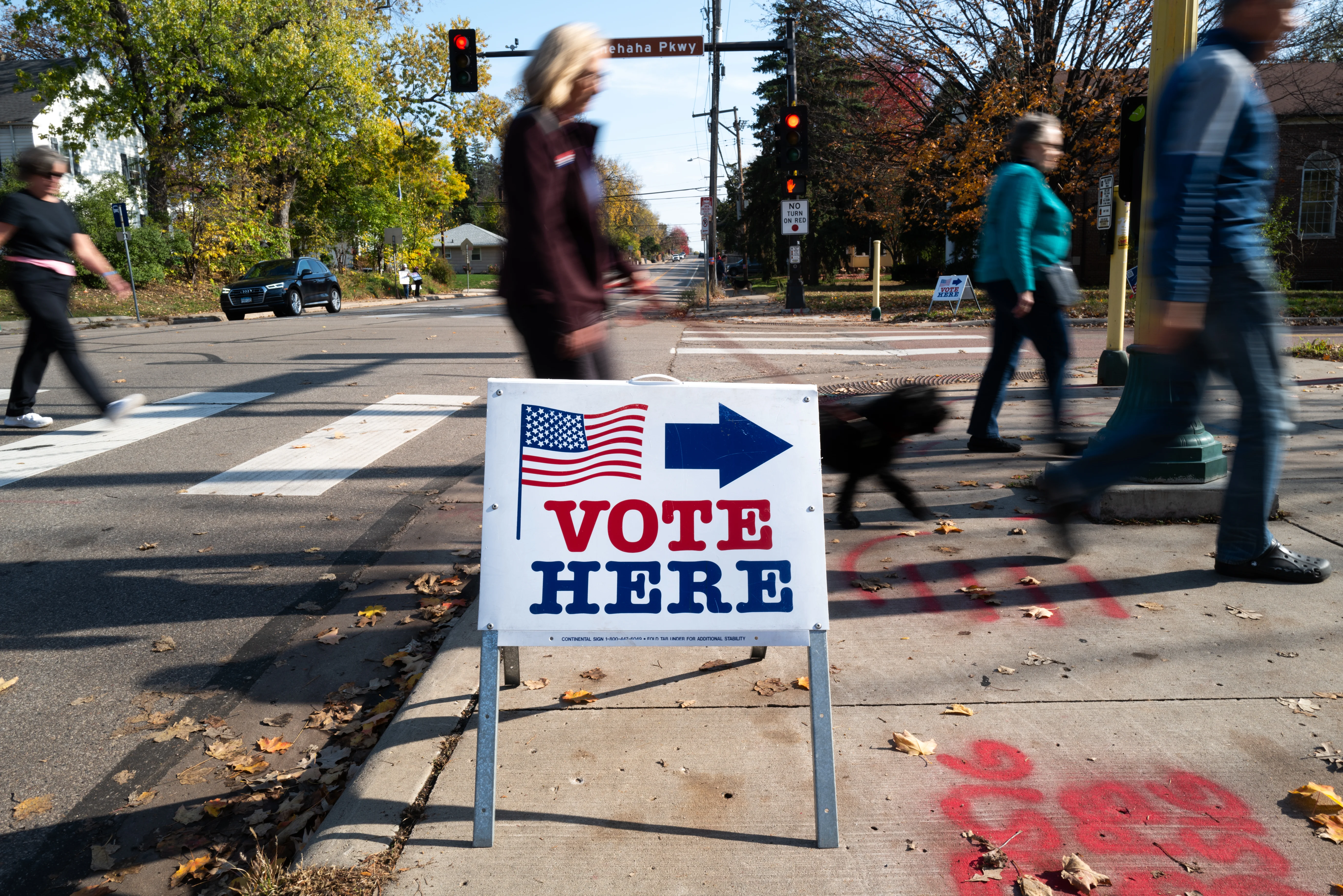
The U.S. has become more politically polarized, but research shows people overestimate their differences and there is 'messy middle' majority of Americans who share overlapping political views.
Is America really that polarized? The answer might be a surprise
Source: NPR Politics
Original reporting
NPR Politics: read the full reportRelated stories

The Guardian
Migration is a moral issue for Burnham – but he also wants to tell a positive story
While PM is keen to support those making a contribution his backing of Shabana Mahmood’s hard line is no surprise While out on the campaign trail in Makerfield, Andy Burnham gave a glimpse into where he might land on Labour’s plans for immigration reform, which had already been decried by the left of the party as unfair and the right as electorally necessary. Asked by the Guardian what he thought of Reform’s attack on “open borders Andy” – Nigel Farage’s early attempt to define him as soft on migration – the then Manchester mayor dismissed the charge as “ridiculous” and went on the defensive. Continue reading...
NPR Politics
AI chatbots are becoming political advisers. Their answers can mislead voters
Millions of Americans are turning to AI for election information, but chatbots are getting voting facts wrong and recommending candidates, raising concerns they could influence voters' decisions.

The Guardian
How will UK immigration rules change under Shabana Mahmood’s latest plans?
Home secretary has softened on some proposals but is still hardening rules for those wishing to settle permanently Shabana Mahmood has watered down some of last year’s immigration plans after a backlash from enraged backbench Labour MPs and some of her cabinet colleagues. But the package of proposals outlined on Thursday is still a radical hardening of the rules for those wishing to settle permanently in the UK. People on lower incomes will have to wait longer before achieving indefinite leave to remain (ILR) in the UK, while people on higher salaries will find it easier. Continue reading...

The Guardian
Half-witted at best, a people-pleaser at worst: step forward, Chris Philp | John Crace
Responding to Shabana Mahmood’s changes to indefinite leave to remain, the shadow home secretary was detached from reality Better late than never. It had seemed as if some apologies from the prime minister were more sincere than others. The one that he has planned to deliver for Britain’s role in the slave trade at the Commonwealth heads of government meeting in Antigua fell on the right side of genuine. There had been no need to make one at that time. Indeed Kemi Badenoch saw it as a sign of weakness. There again, she would refuse to apologise for running someone over on a pedestrian crossing. Somehow it would have turned out to be the victim’s fault. Andy Burnham’s apology for not being able to turn up in the Commons to lend support to his home secretary might rather fall into the “sorry, not sorry” category. Making life more difficult for migrants was more one for Keir Starmer’s legac
NPR Politics2 outlets
Judge accuses DOJ of 'weaponization,' tosses case against ex-FBI officials
The judge said he was "deeply troubled" by the mistakes and rushed nature of the case over the FBI's Hunter Biden probes — one of several politically charged DOJ actions ahead of the midterms.

The Guardian
The Guardian view on a migration U-turn: it still leaves unfair changes intact | Editorial
Britain needs migrant workers, yet ministers would make many wait longer for secure settlement because their essential work commands low wages Shabana Mahmood has made a partial retreat on her policy to lengthen the wait for some foreign workers who were soon to be eligible for settlement in the UK. But while the home secretary lost the argument in cabinet on a particularly damaging aspect of her proposals, she has won the larger battle that settlement ought to be based not just on residency but also on how much tax has been paid, English language proficiency and the “character” of applicants. Significantly, she has also won the “full support” of the prime minister for this approach. The home secretary plans to double the standard qualifying period for settlement from five to 10 years for most workers. Importantly, she dropped the proposed 15-year qualifying period for some workers in oc